Boehringer Ingelheim’s Sustainable Exhibit at ASCO 2024
Boehringer Ingelheim is the world’s largest independently owned pharmaceutical company, headquartered in Ingelheim, Germany. The company set out to bring real, tangible change to its exhibition practices and demonstrate its commitment to its Sustainable Development for Generations efforts, rooted in the United Nations Sustainable Development Goals and the Paris Climate Accord.
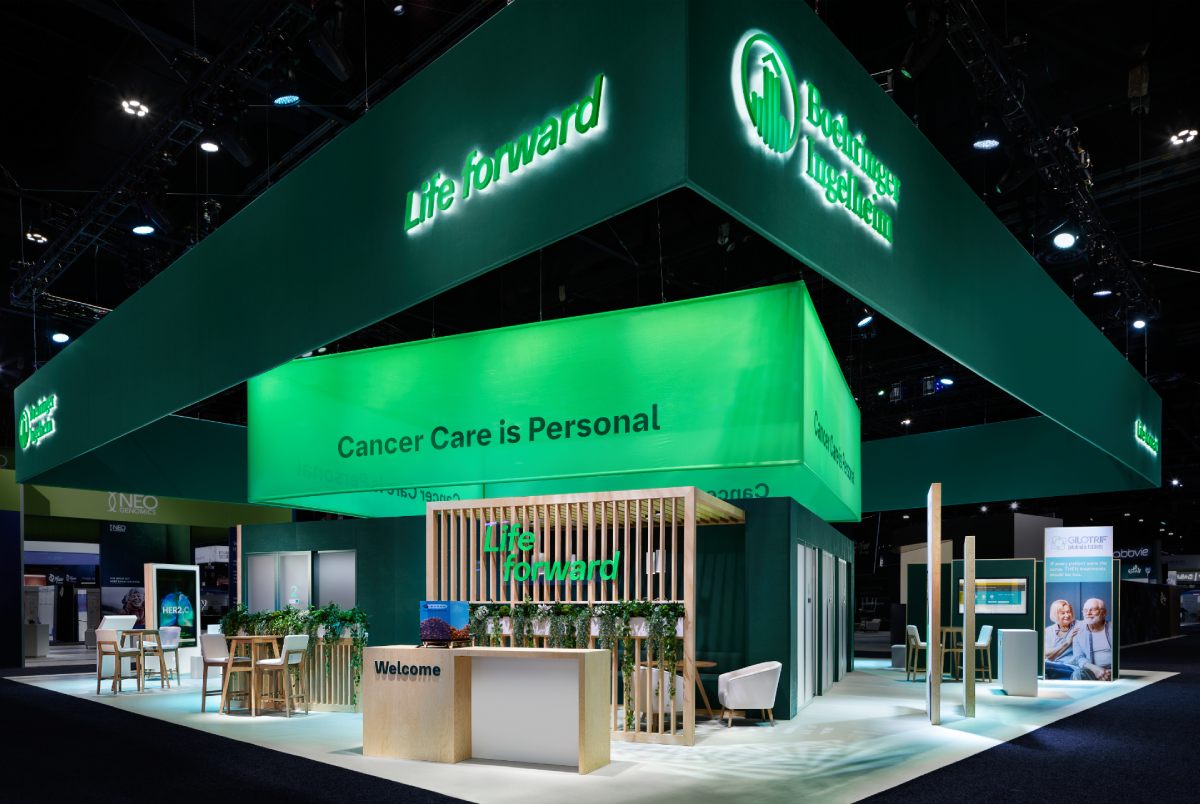
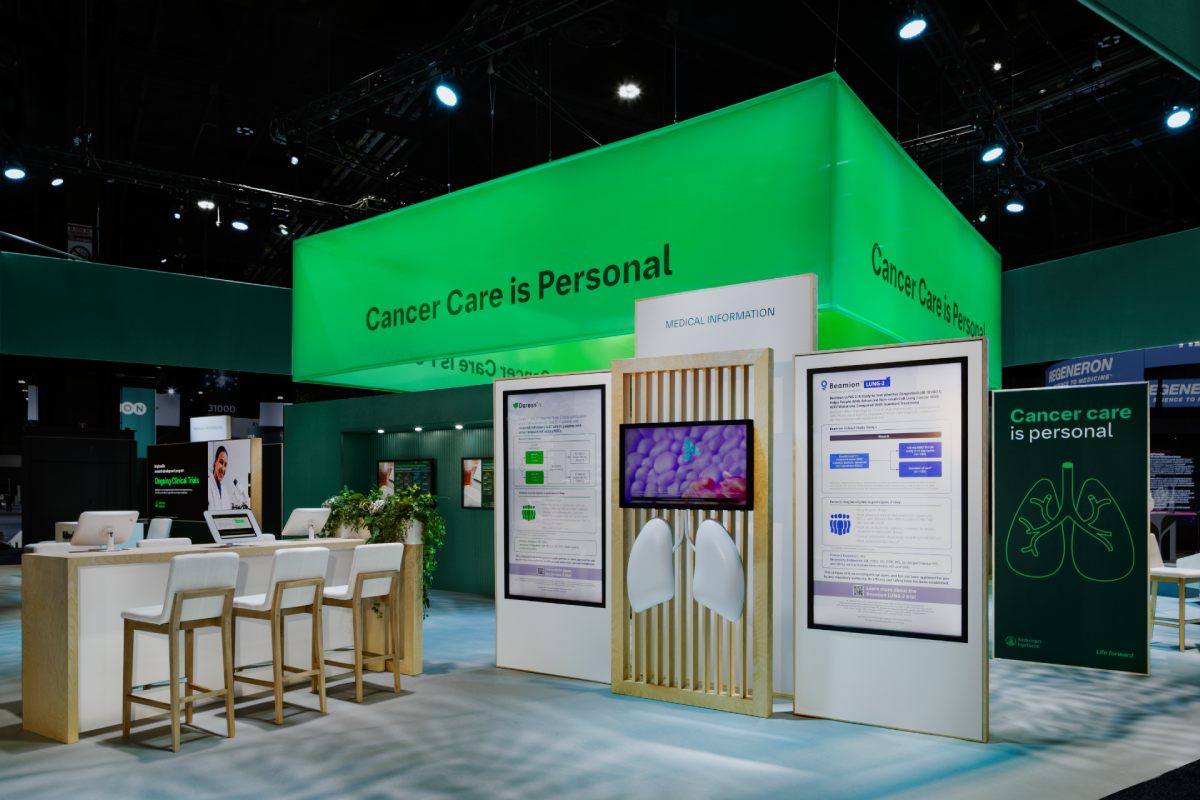
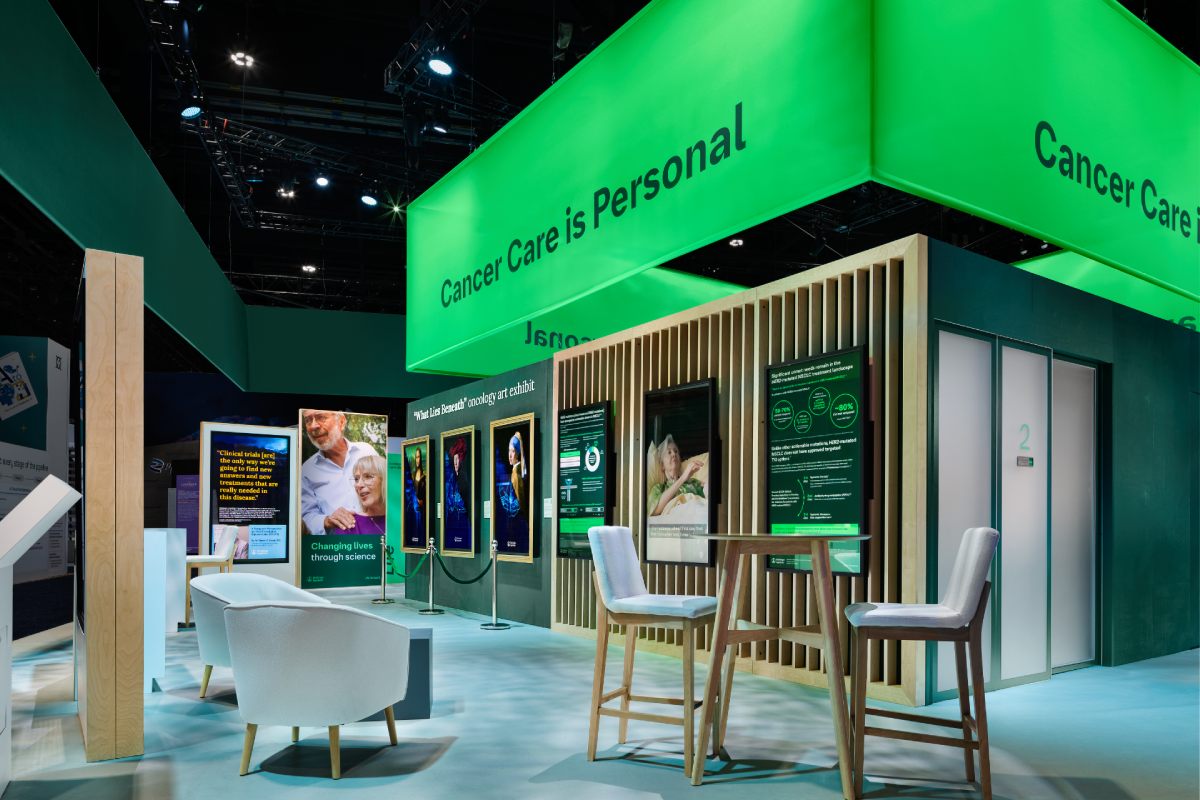
The company partnered with Access TCA to design and debut the next-level sustainable exhibit at the American College of Clinical Oncology (ASCO) 2024.
Access TCA elevated traditional fabrication by upgrading its production capabilities with more environmentally efficient processes, a new state-of-the-art printer, a CNC machine, and sustainable materials.

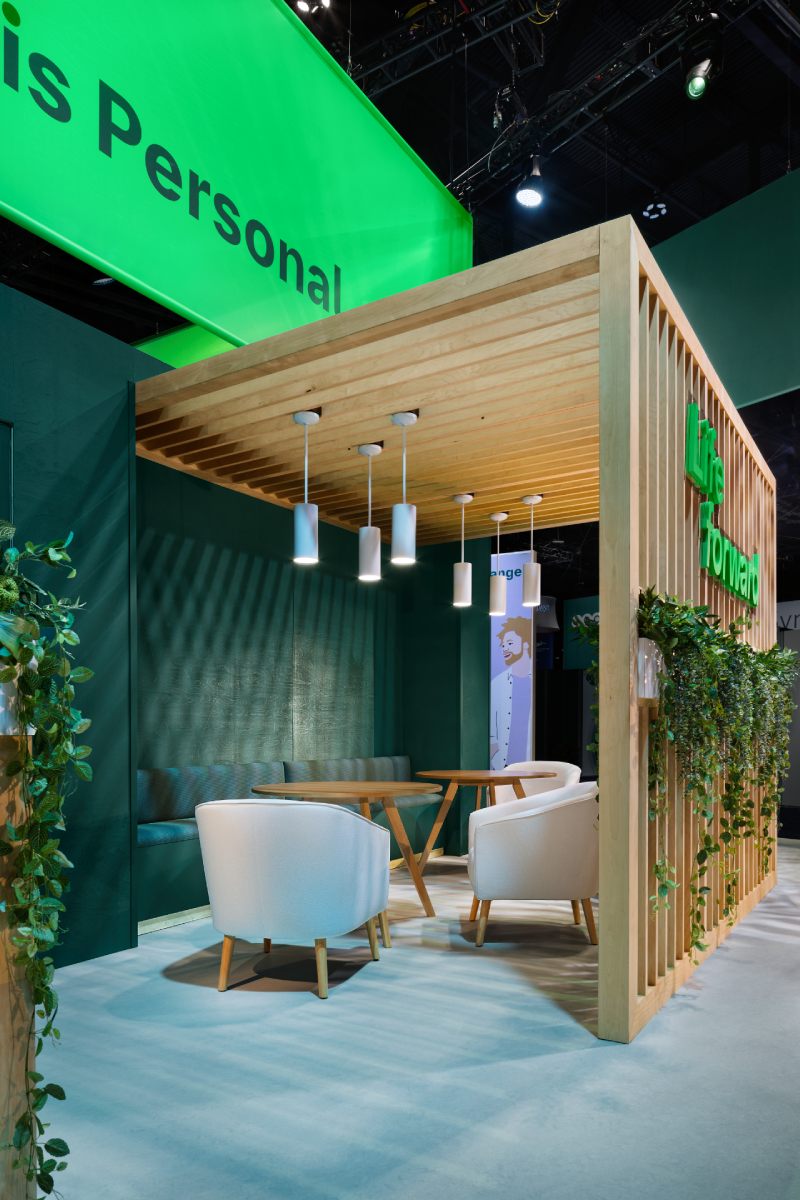
Wood and Veneer
The brand’s guidelines specify using FSC-certified wood harvested from responsibly managed forests, formaldehyde-free lamination, and natural oil finish. Access chose to go with maple wood because of its rich orange-yellow natural shine that complemented the brand’s dark green corporate color. But what about treating the wood? The solution was to apply cooking-grade vegetable oil, a labor-intensive process that brought out the natural beauty of the wood.

Flooring
The brand had eliminated carpet in its booths, and flooring became a key opportunity for change. The decision was made to use Marmoleum, a flooring material comprised of 98 percent natural raw materials such as linseed oil, wood flour, limestone, resin, and jute, which qualifies for LEED points. But newer, more durable options will be available at future shows.

Recycled And Recyclable Aluminum Extruded Components
The brand already owned an inventory of modular aluminum frames, which were used in this exhibit as much as possible in tandem with other sustainable materials.

Hanging Sign Fabric/SEG Fabric and Upholstery Fabric
Traditional fabrics used for these purposes didn’t satisfy the sustainability requirements, so the choice was made for 62 percent Seaqual yarn, which consists of upcycled marine plastic and post-consumer plastic, and 38 percent recycled polyester. For benches and theater seating, the fabric was 35 percent Seaqual yarn.
What’s next?
While many brands are looking for ways to improve sustainability practices in their trade show programs and industry organizations are releasing guidelines on the subject, currently, it’s up to individual companies to define their sustainability goals and measure their progress year over year.
Explore the Exhibit