A completely different world created in exhibit houses here on Earth, CES’s orbit takes us through Las Vegas once a year with new technology, ideas, and inspiration. Navigating past AI-powered tech and autonomous assistants, the costumed staff offering their products like a sci-fi marketplace, I felt like The Doctor. “Doctor Who?” you ask. Yes, him. Exactly. It was a new year at CES 2026. I had a new companion (Joseph DeLaunay, Exhibit Designer), and new adventures through a fantastical landscape of exhibits and events awaited us. Meeting at the monorail before Day 1, instead of sonic screwdrivers, our badges, and with an “Allons-y!”, we were ready to go.
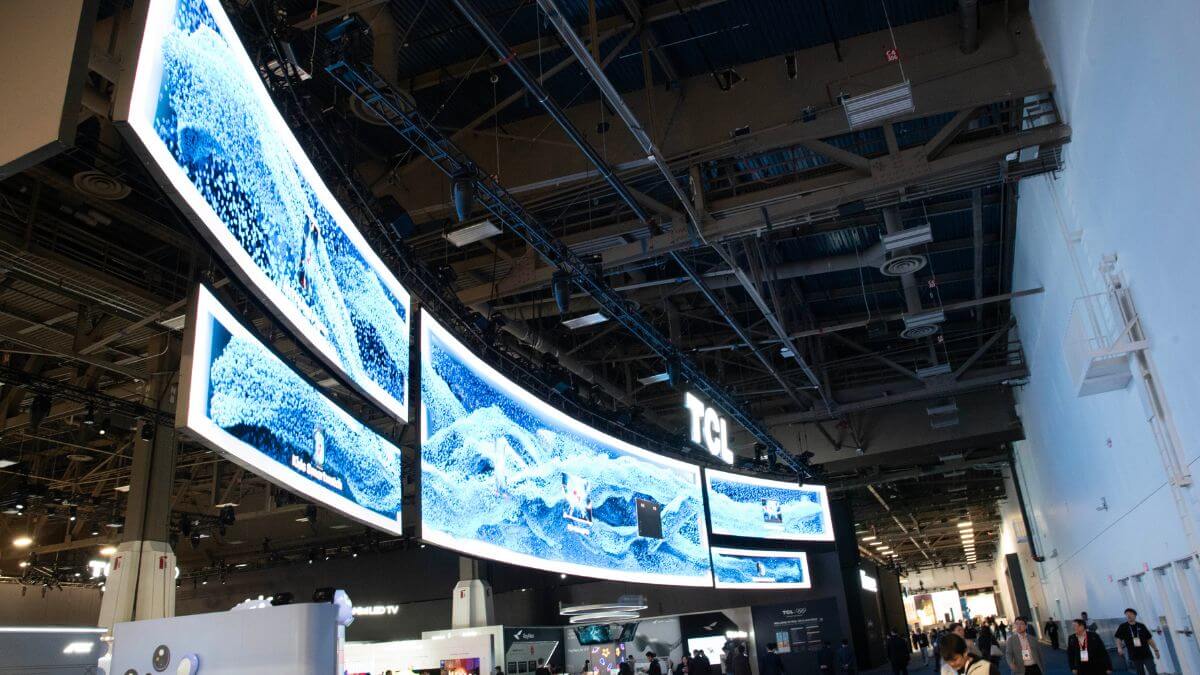
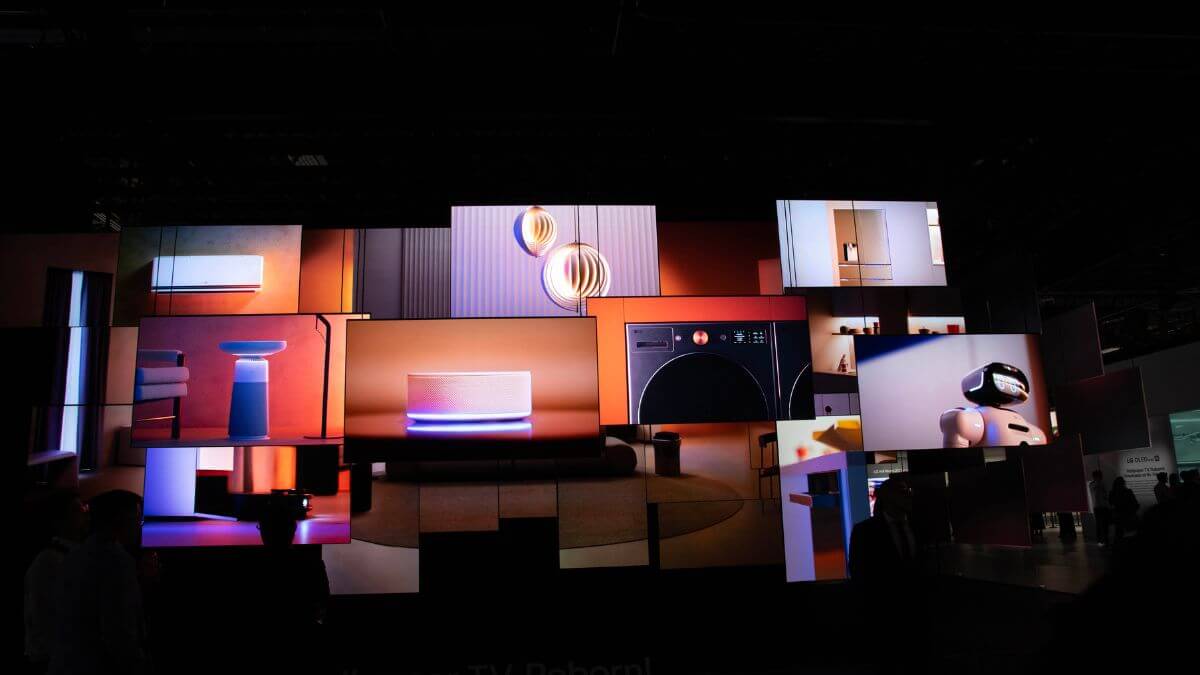
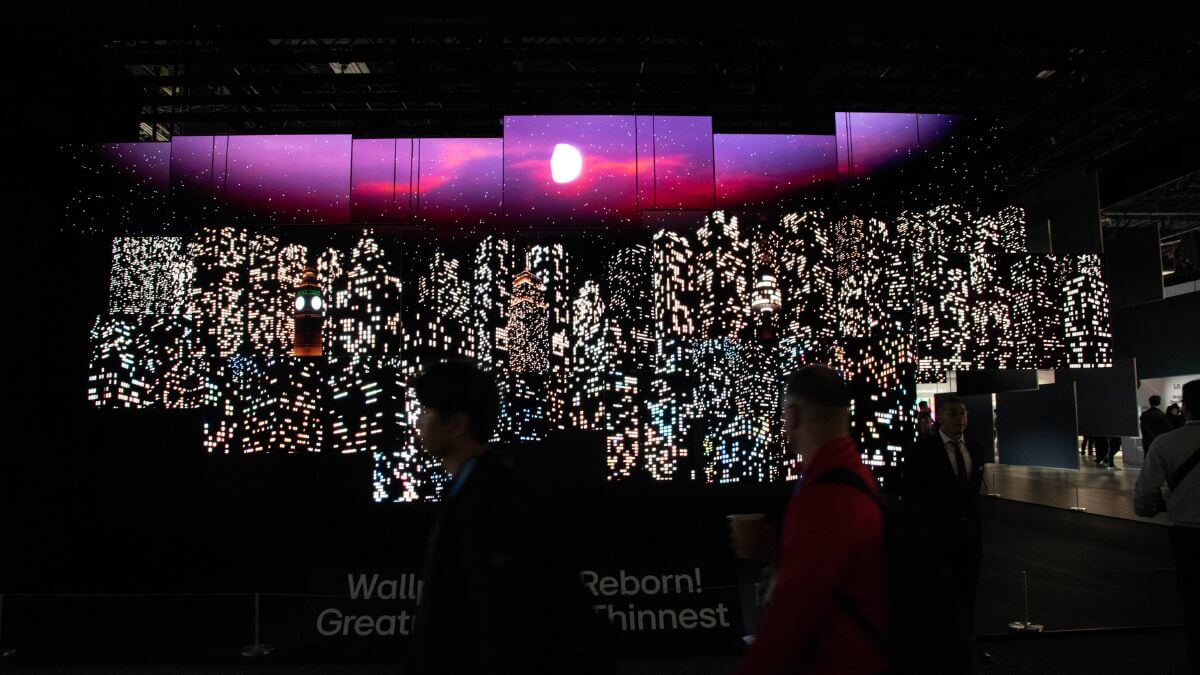
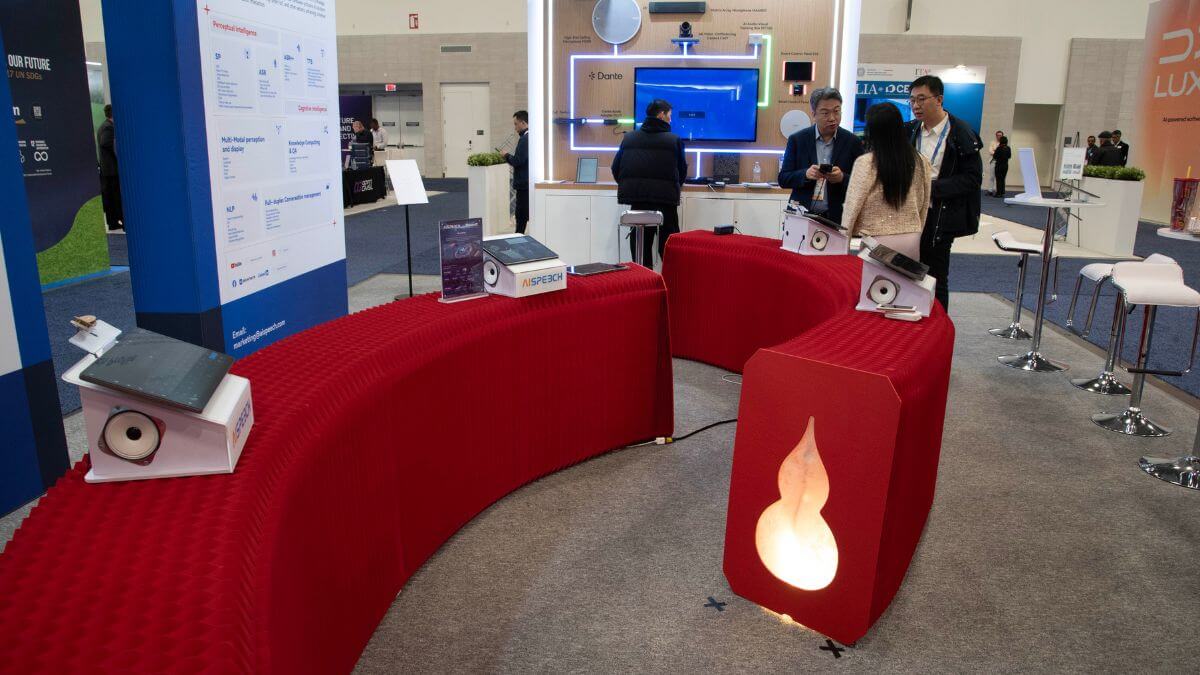
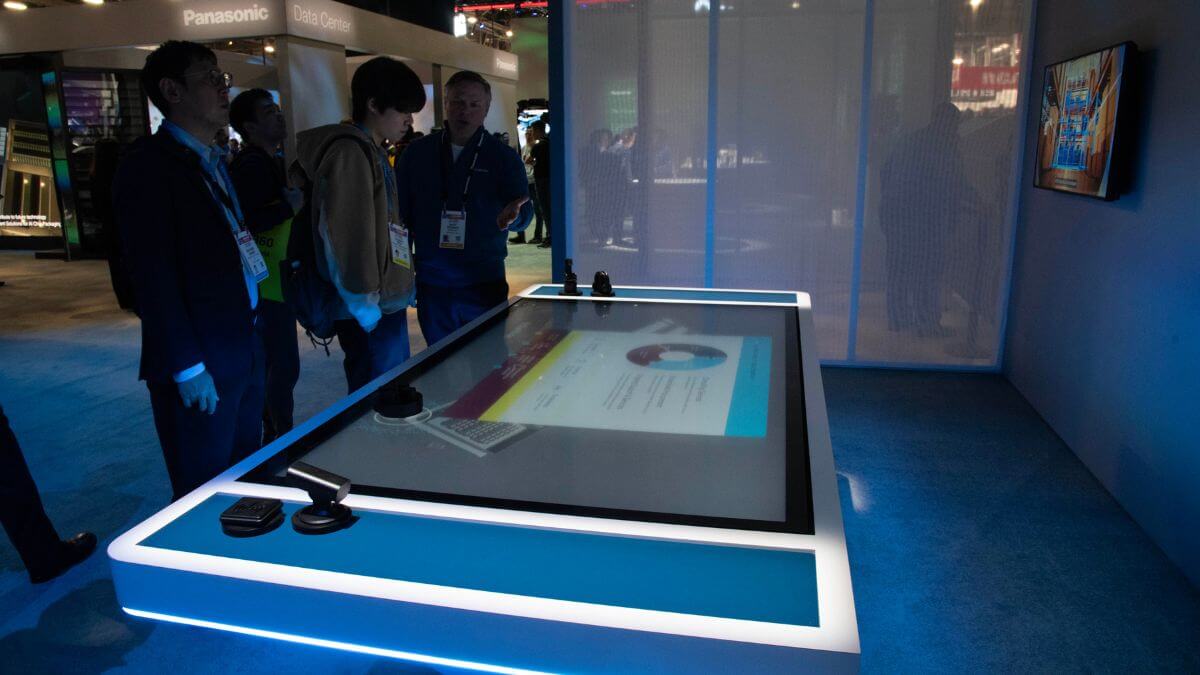
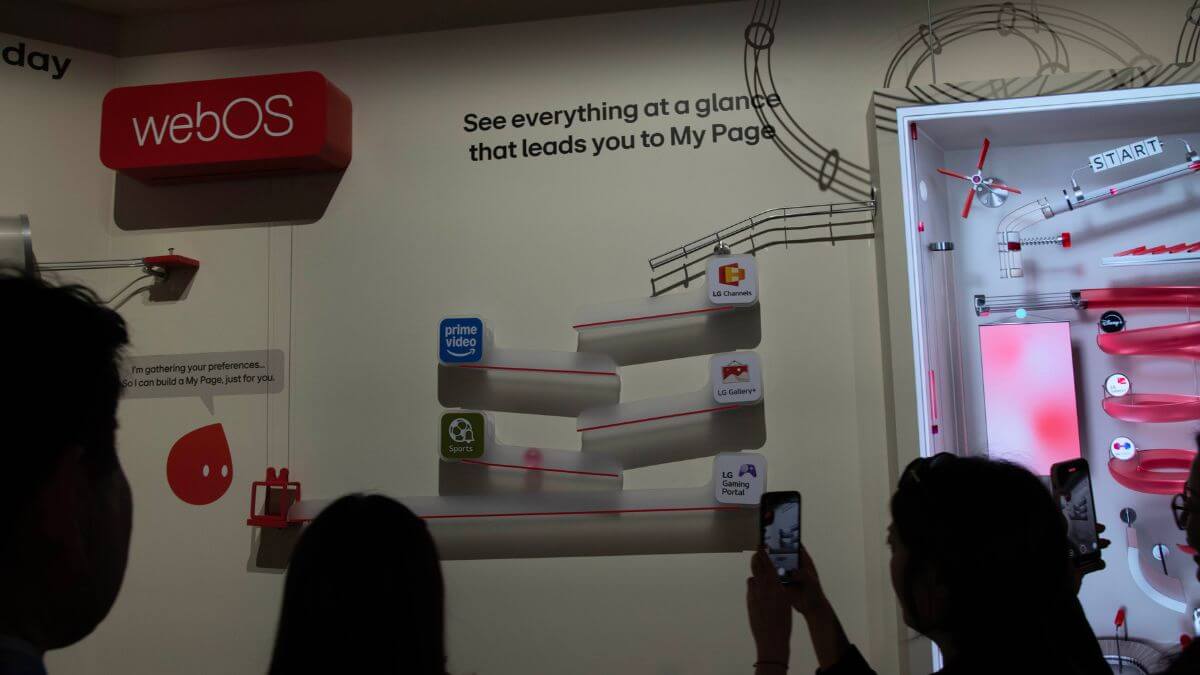
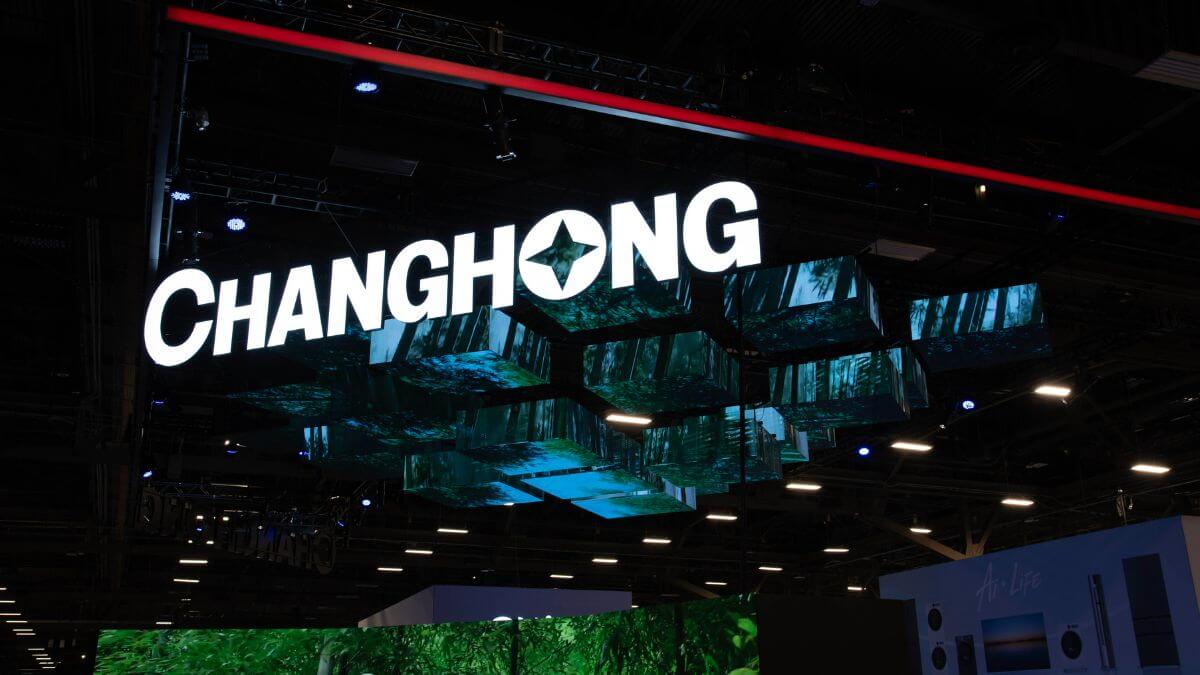
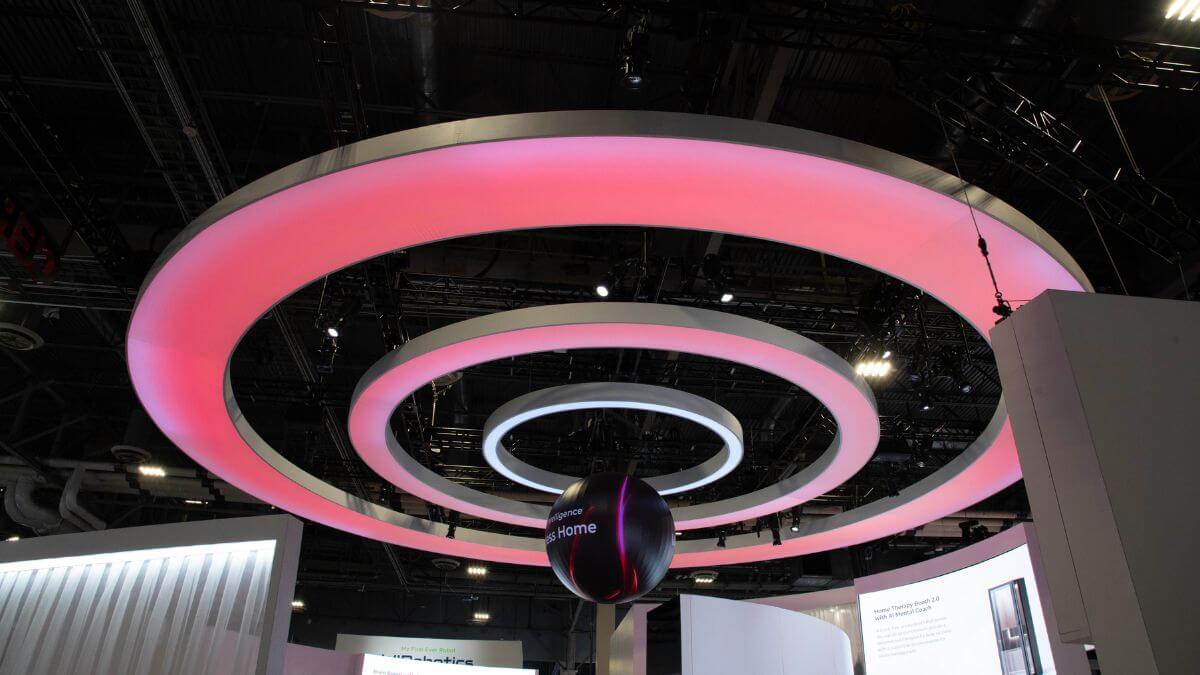
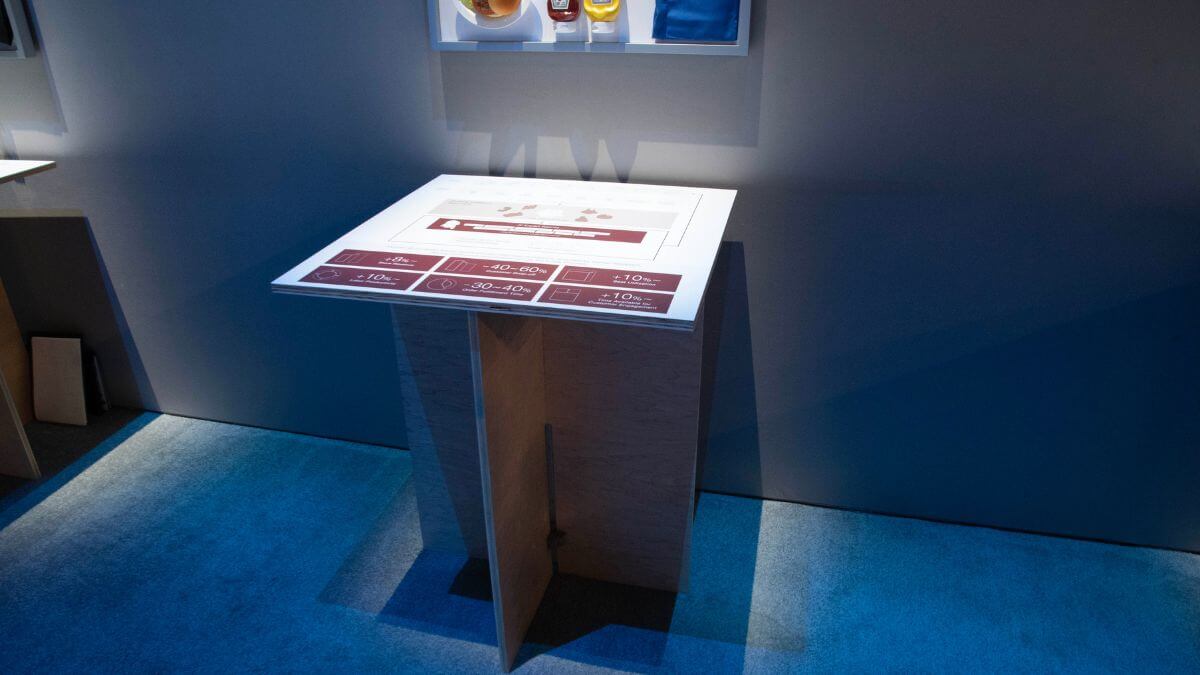
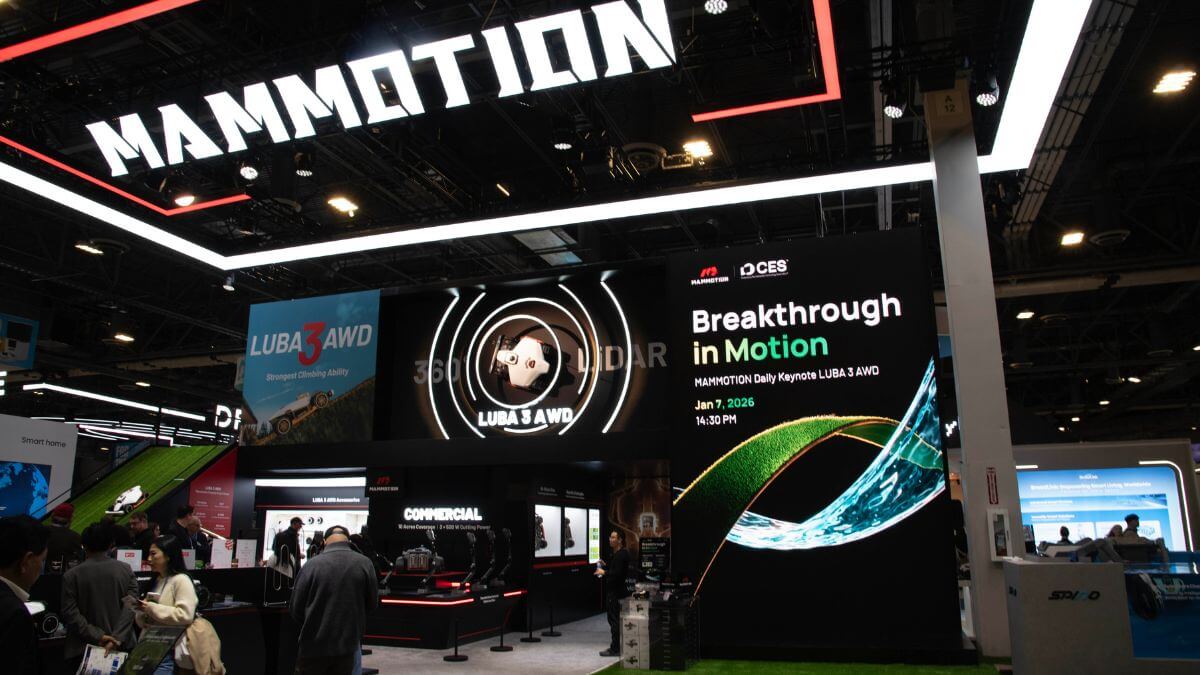
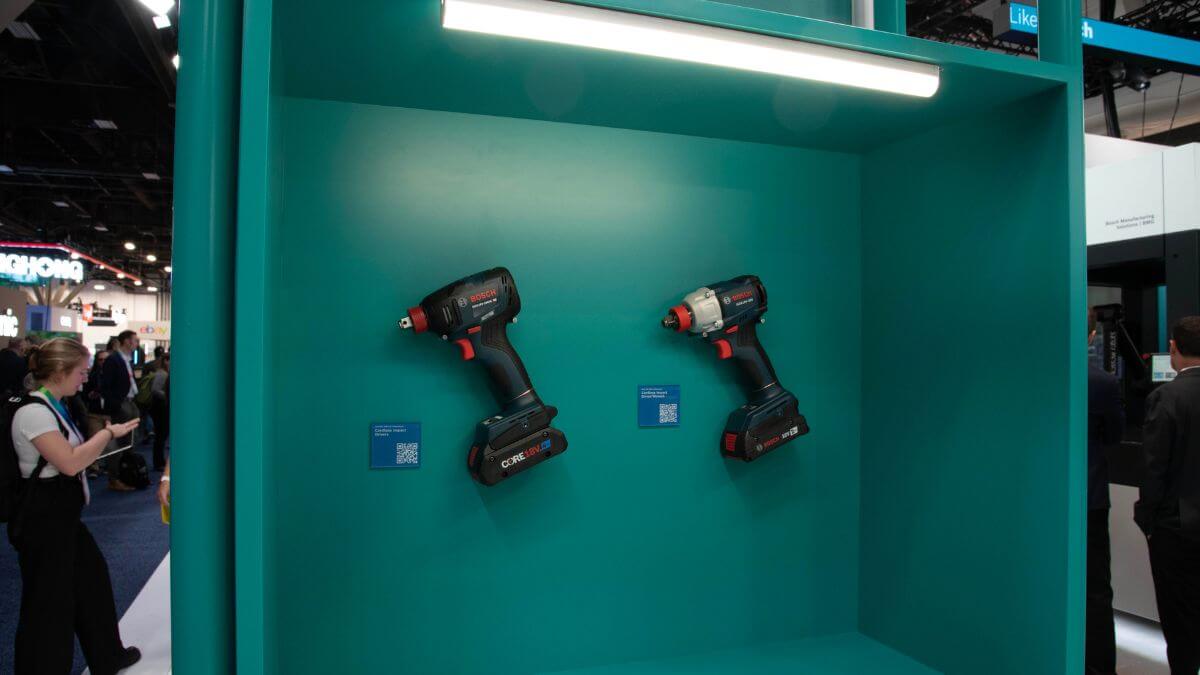
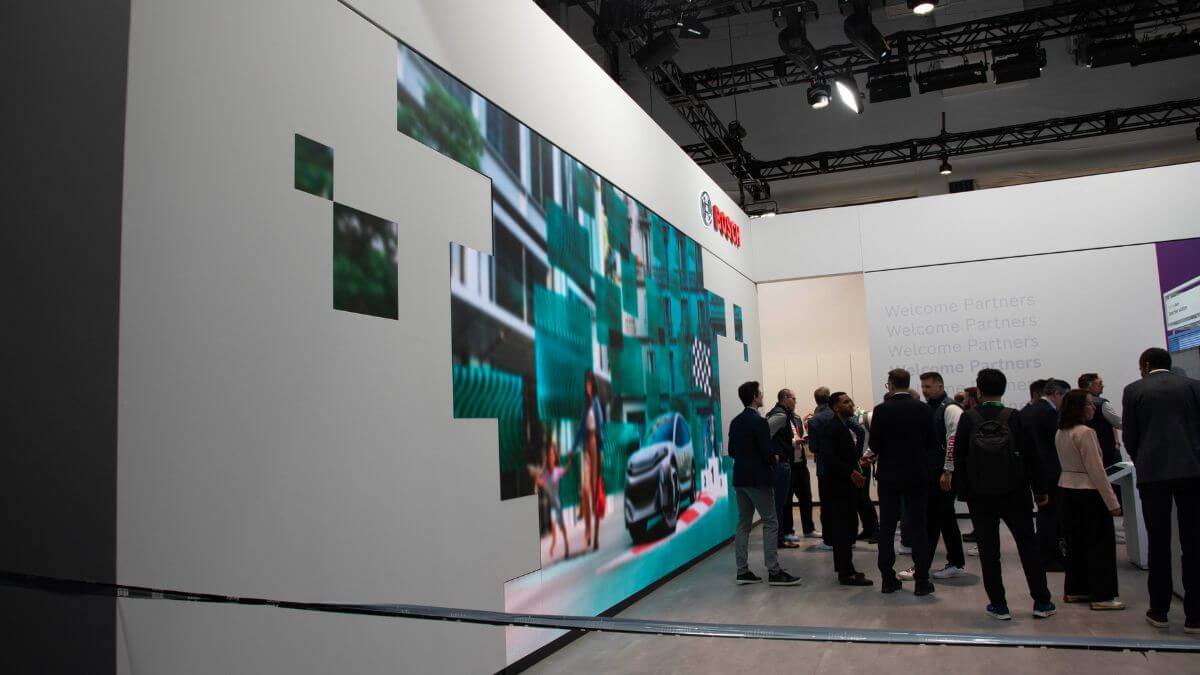
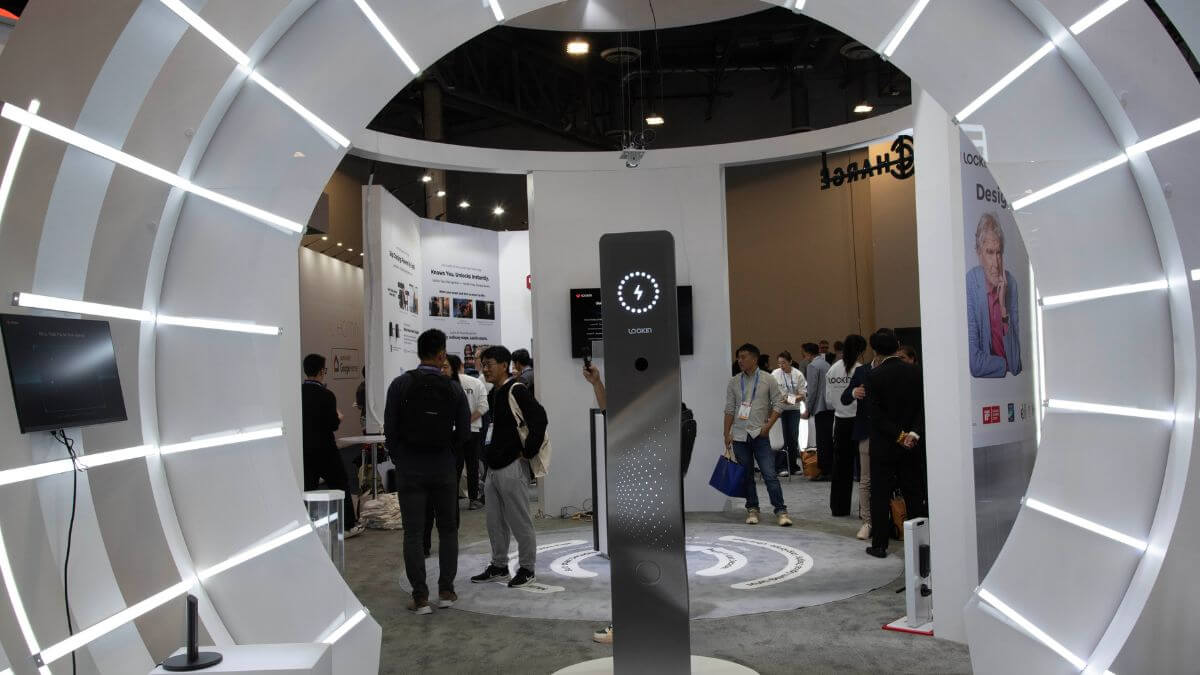
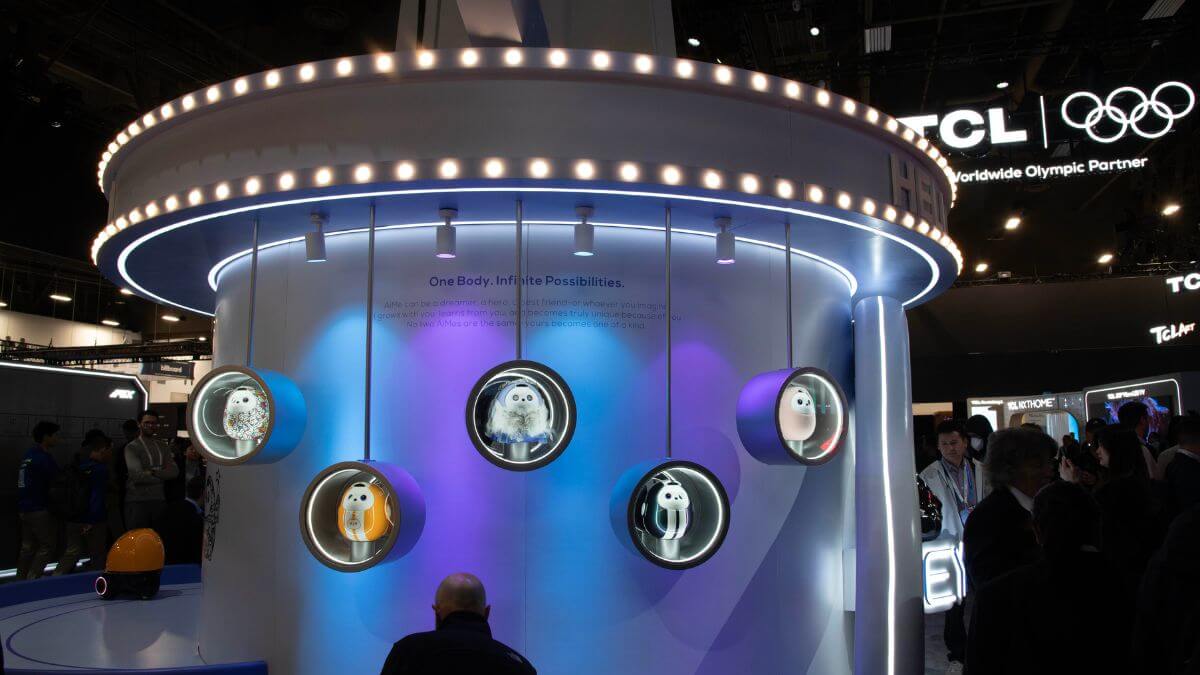
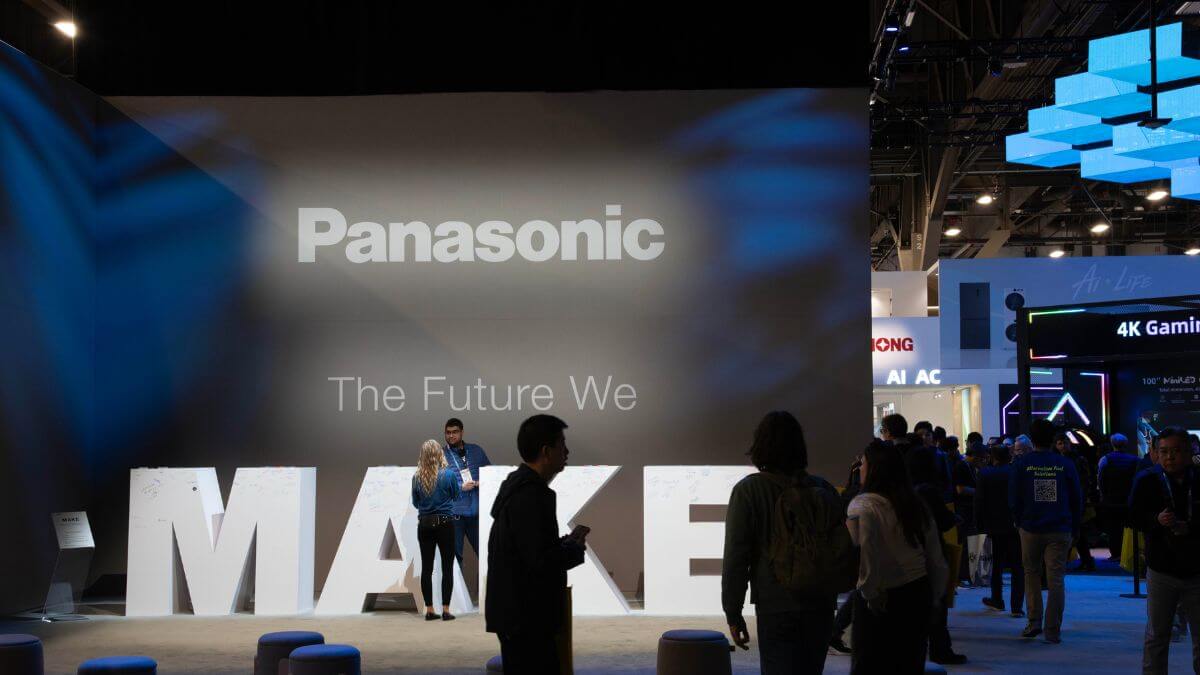
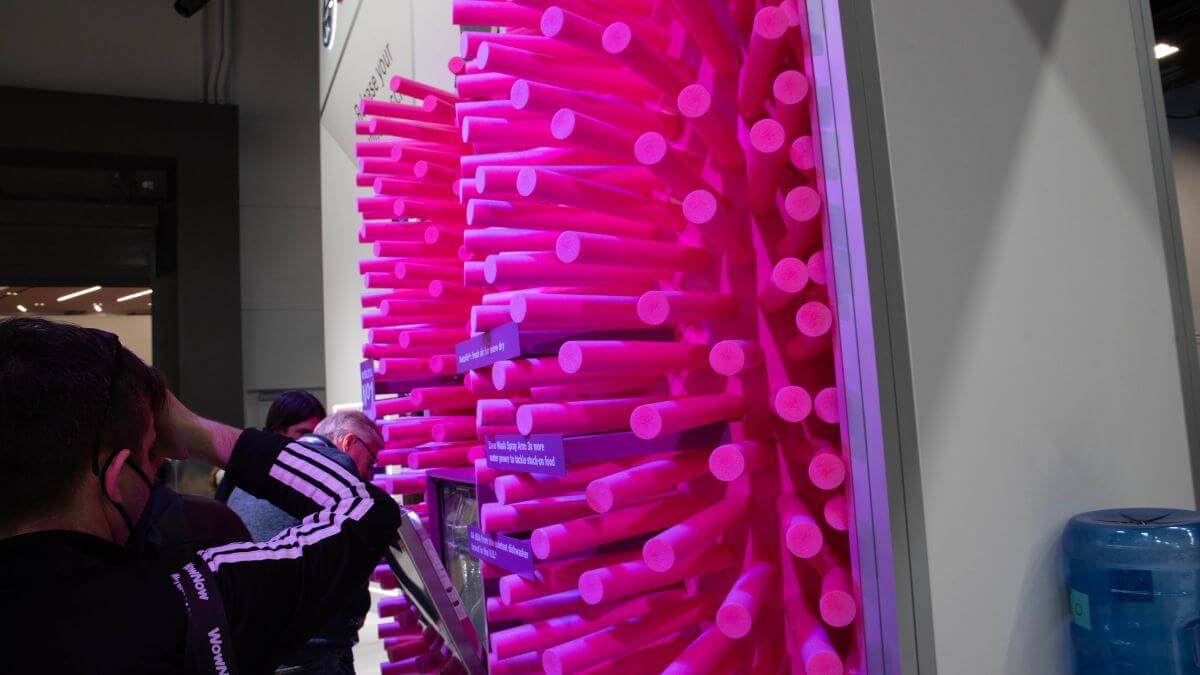
The Doctor’s TARDIS (Time And Relative Dimensions In Space) achieved every exhibit designer’s dream—a space that feels larger on the inside. While the CES exhibit designers didn’t squeeze a swimming pool into a blue police call box, they resized their exhibit components to foster more attendee engagement and immersion. Hanging signs broke away from standard shapes, curving to fill the attendee’s view, rising into the heights, or dropping to the floor to connect with the exhibit. Layered screens, shadow boxes, and protruding bubbles added depth to displays where a flat wall might have fallen, well, flat. Vignettes played across a dozen screens before transforming into a single image. Technical specs were printed on colored glass layered over products, captivating both the eyes and the mind. Peering into the shadow box displays, I was transported to offices, job sites, beaches, mountains, and back to my childhood with eBay’s Nintendo Gameboy in the classic grey—the Holy Grail for a 9-year-old Sam. As we moved through space and time with our feet firmly on the ground, CES challenged our perceptions of reality.
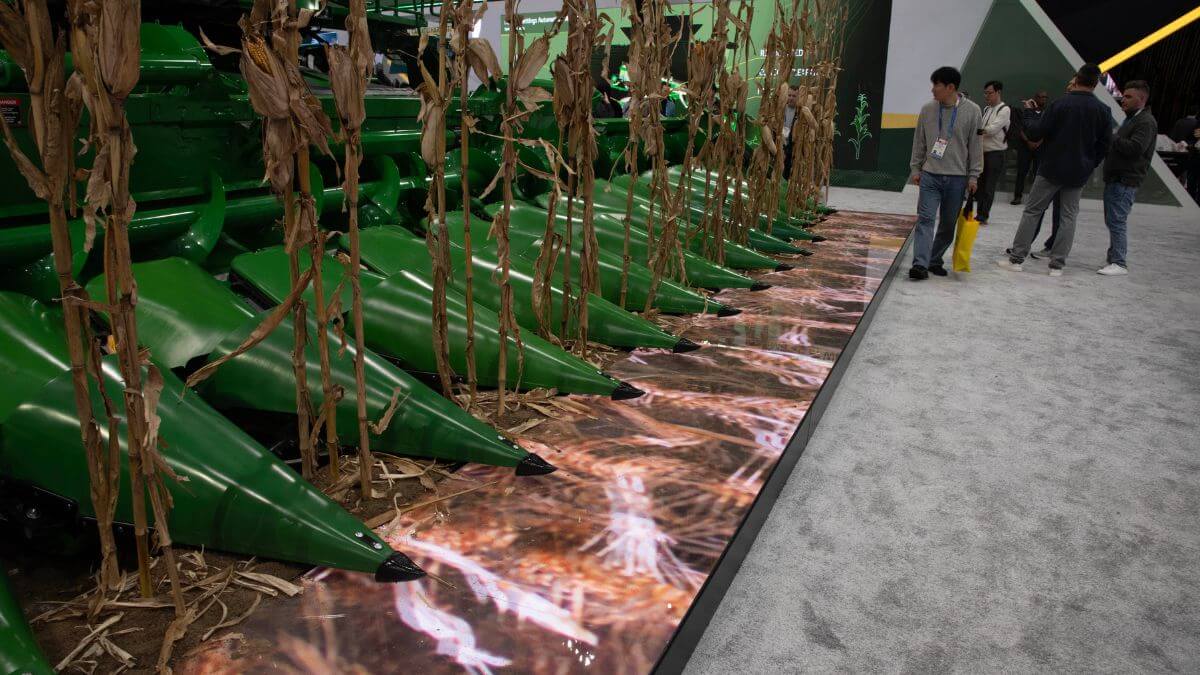
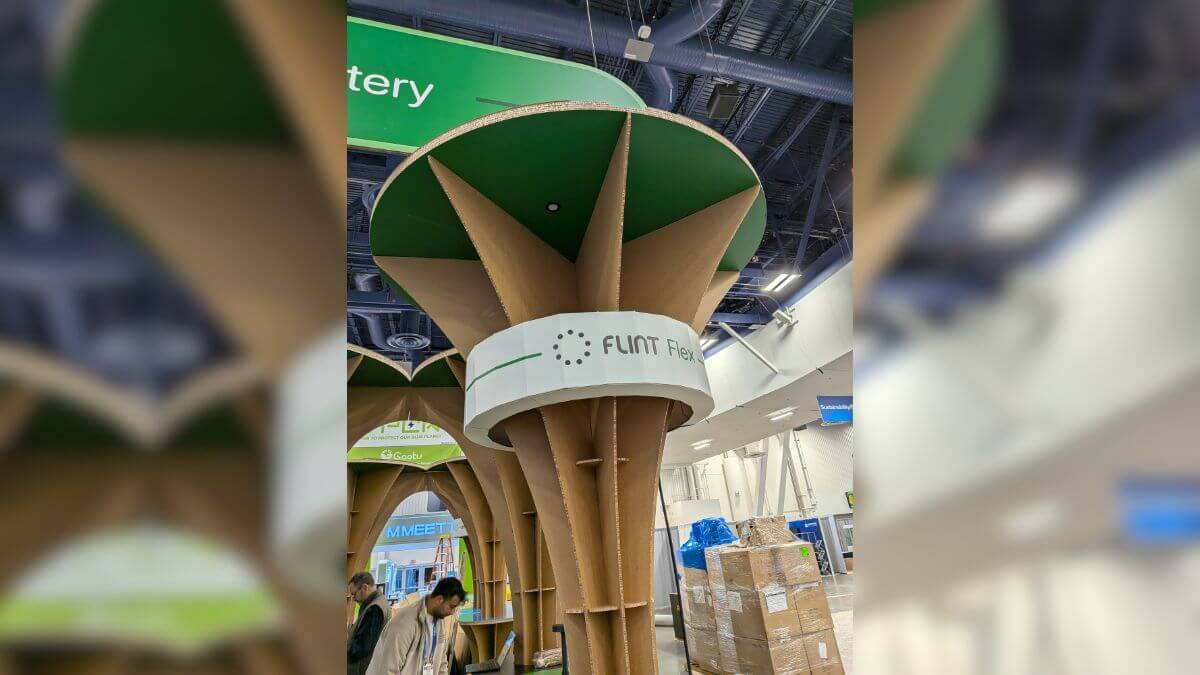
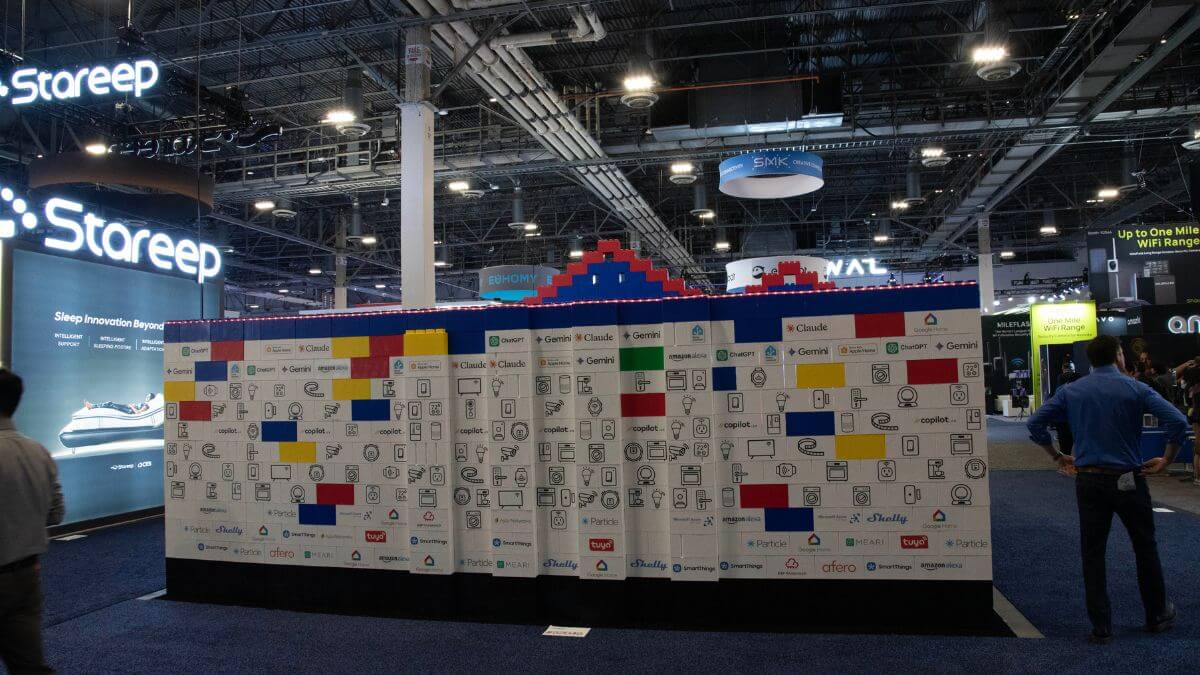
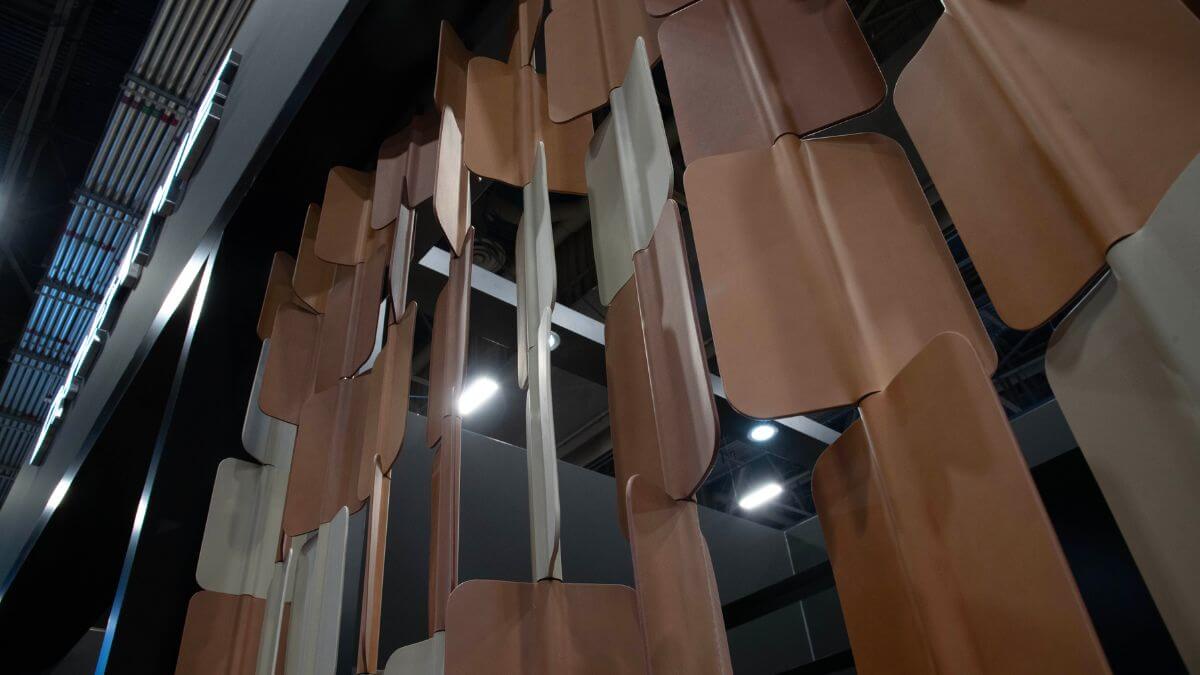
No tradeshow blurs the lines of reality like CES. As technologies of the future and the promises of more surrounded us on every side, unique materials and designs shaped the environment and amplified the message. Sustainable paper-backed batteries were demoed in a cardboard exhibit. LED dirt and real cornstalks disappeared beneath the header of a combine harvester in John Deere’s exhibit. Digital kernels flowed out of the chute onto the printed wall graphic about the future of agriculture. Everywhere we looked, we discovered another pocket universe that pulled us away from the show floor and into an experiential journey.
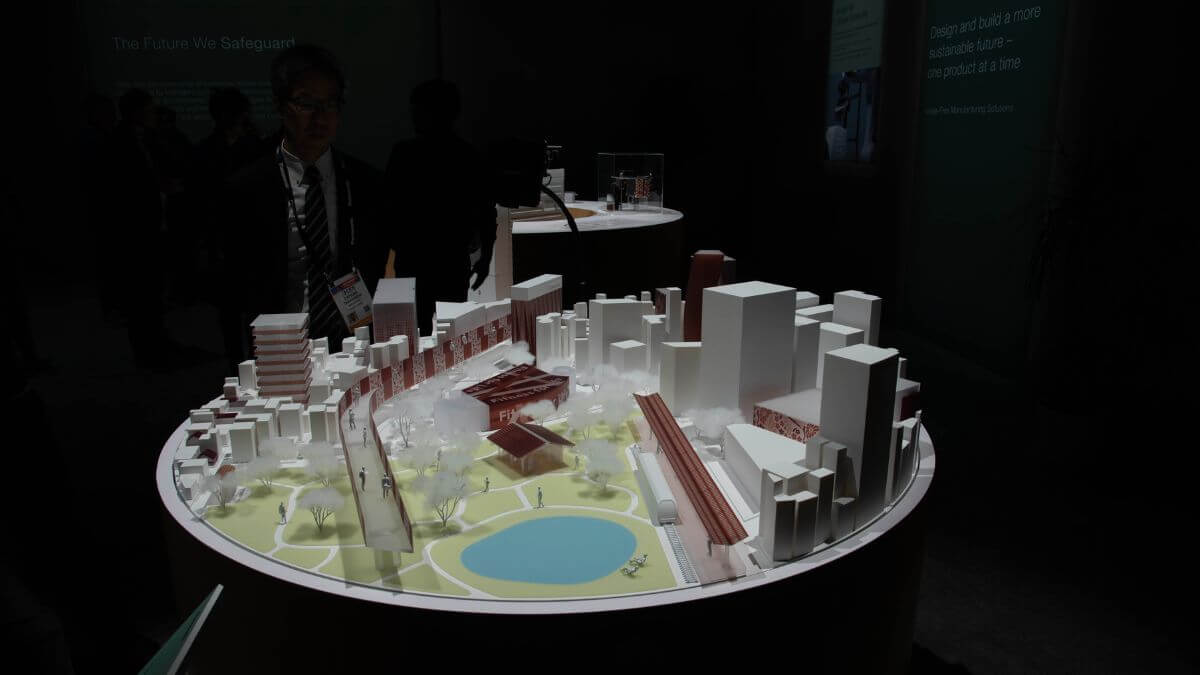
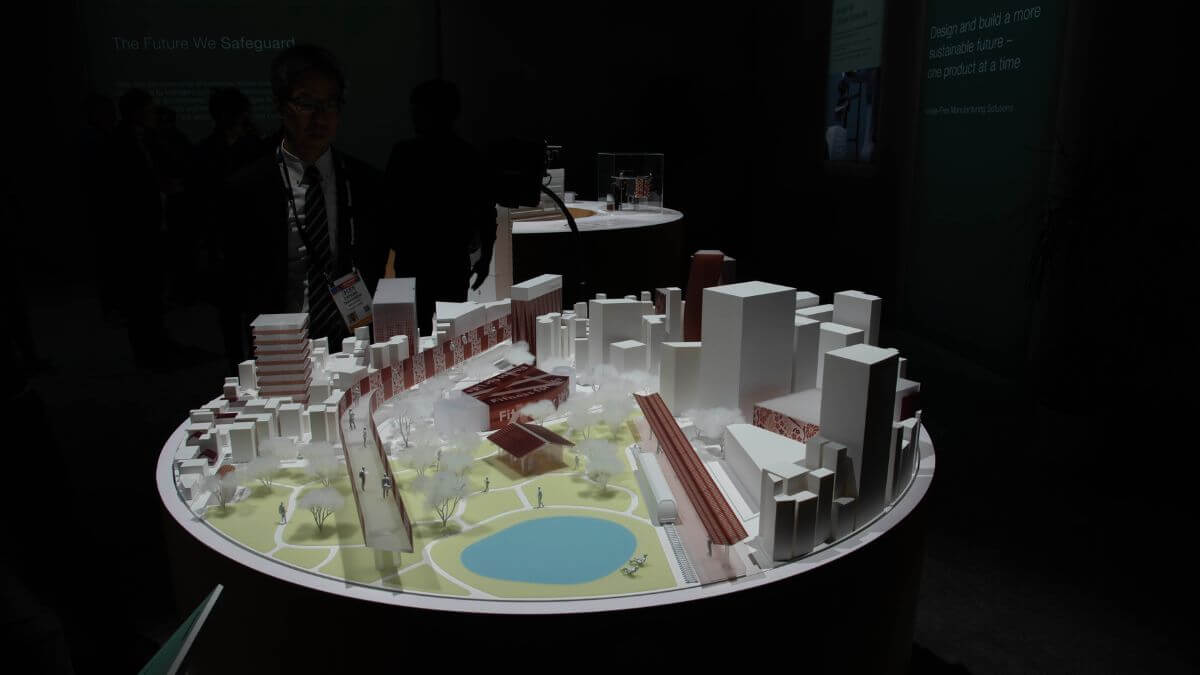
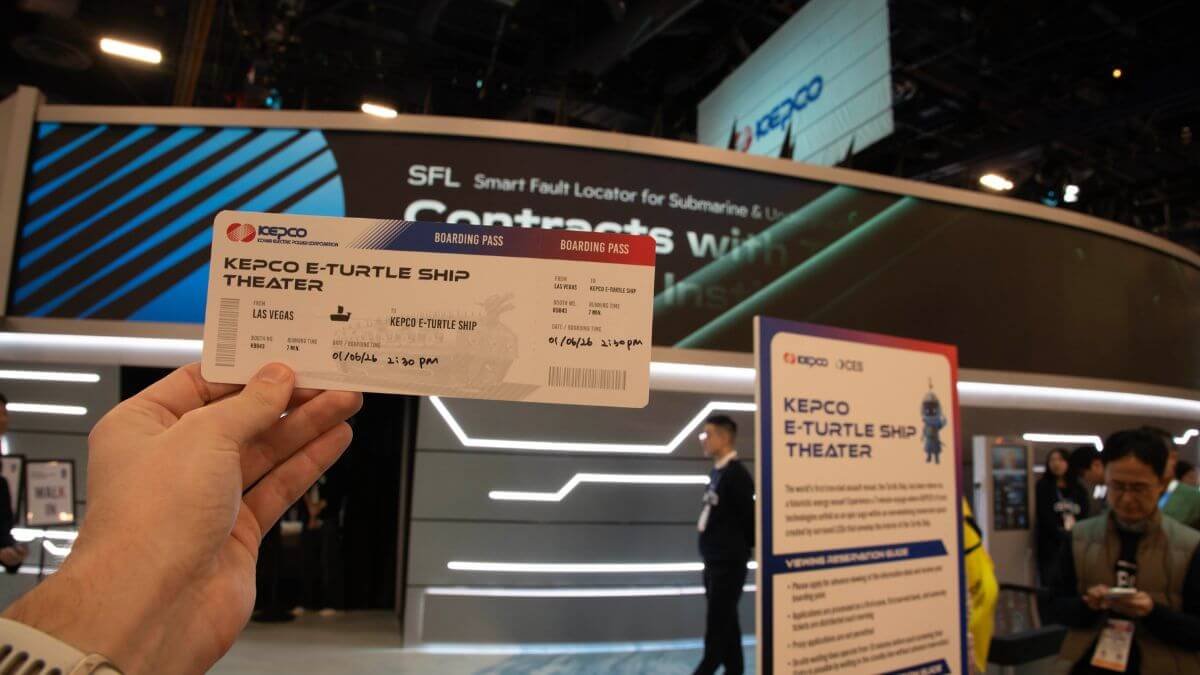
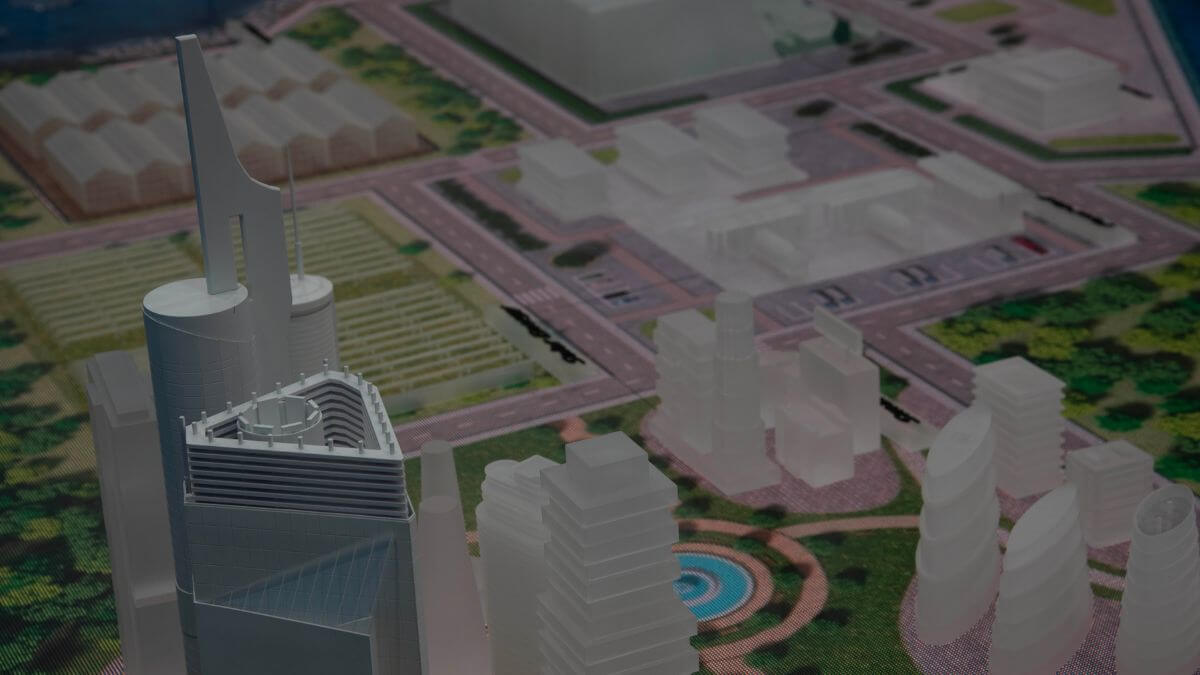
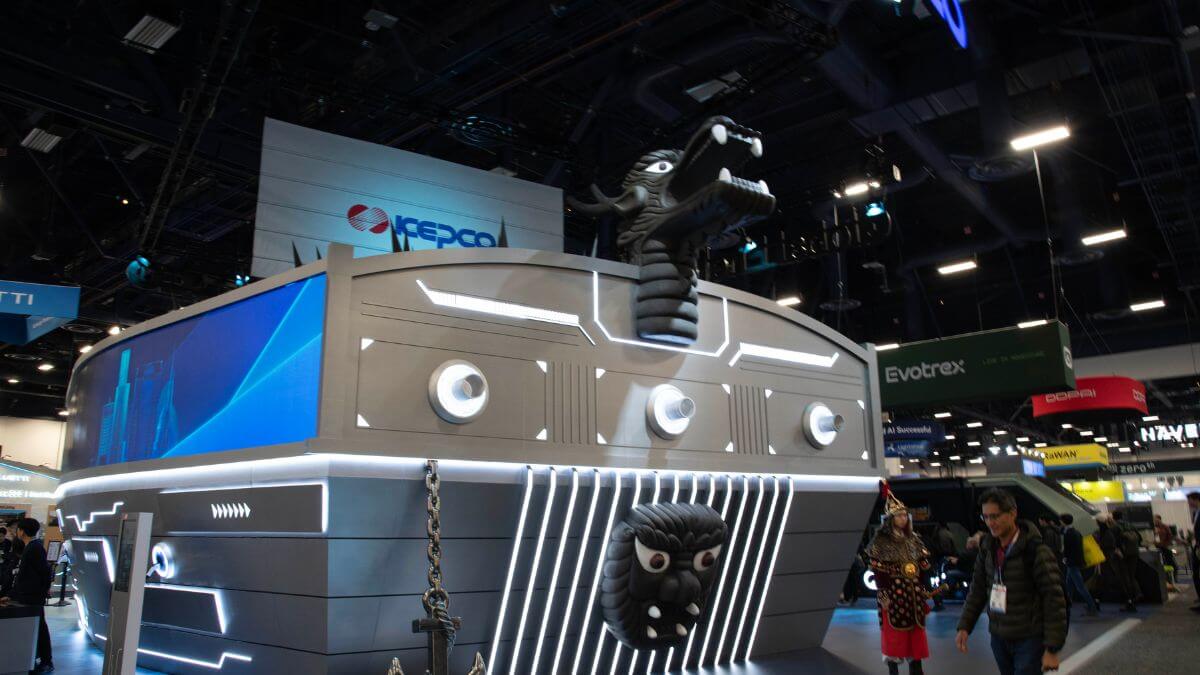
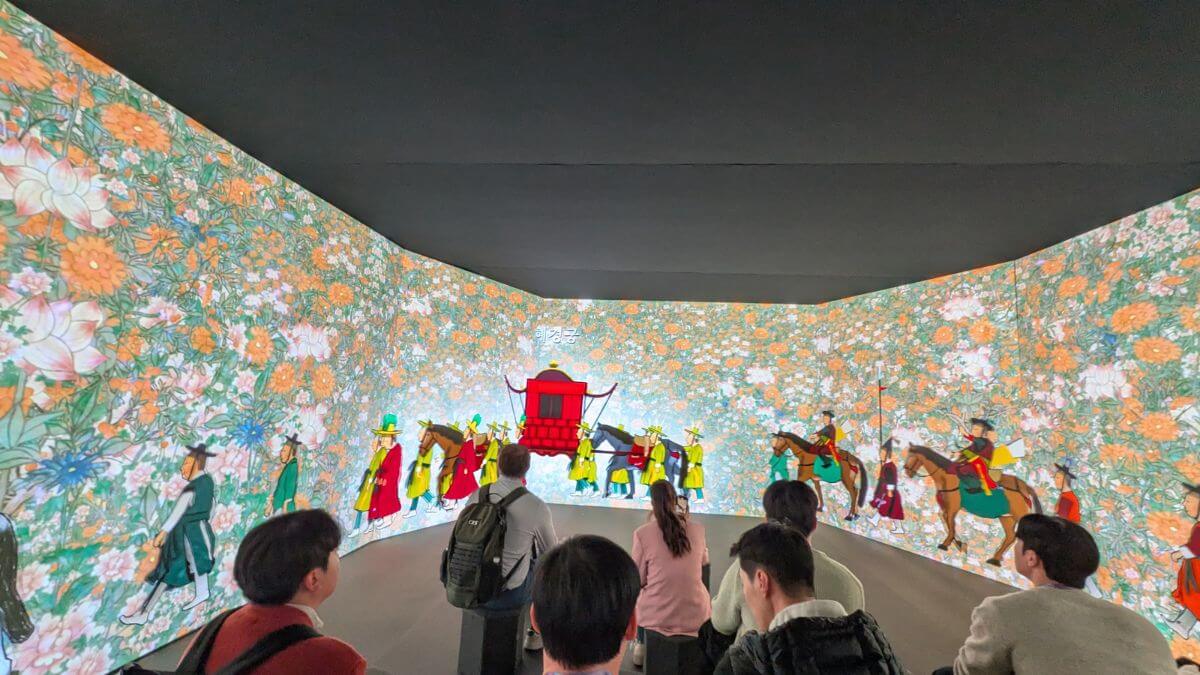
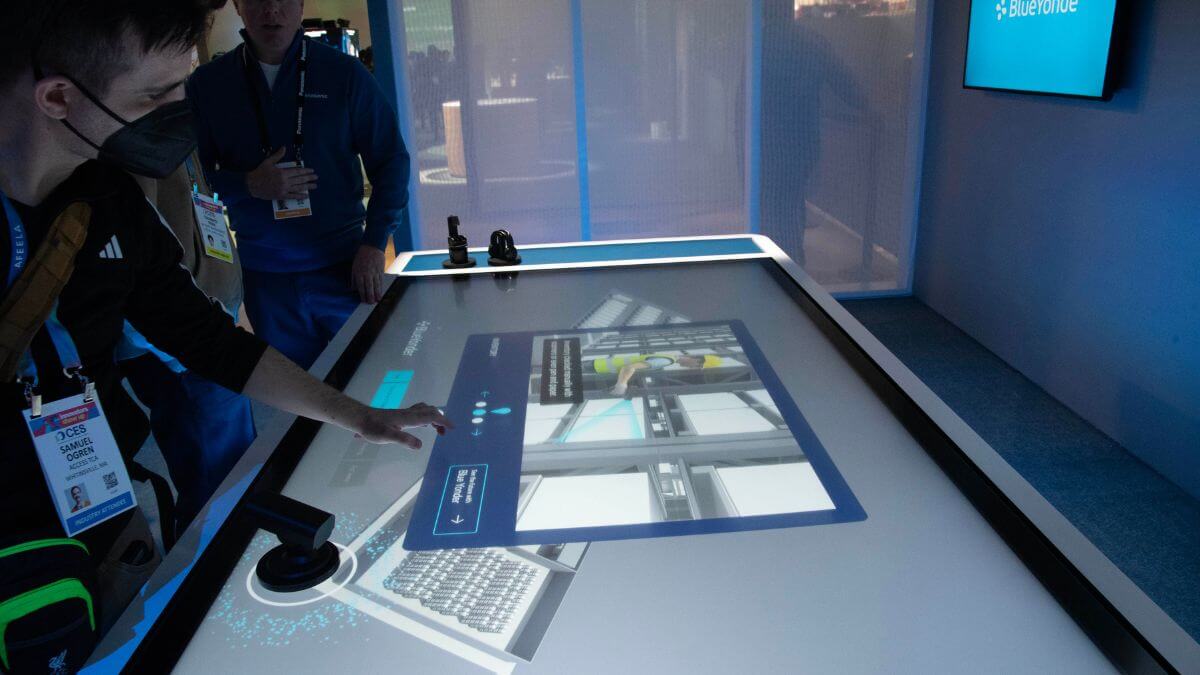
Whether it’s a city on a tabletop or a walk-in Korean turtle ship from the Joseon dynasty, designers adjusted the scale of displays to make them easier to understand. To help visualize how a company creates, stores, and distributes energy across an entire city, we saw it laid out on a tabletop with miniature buildings, streetlamps, park benches, and people. Living rooms were built and furnished to demonstrate a fully connected smart home, with small yards designed to showcase robotic mowers navigating around rocks and toys. A highly sought-after boarding pass granted us passage inside the turtle ship, where LED panels displayed a video exploring Korean history and culture. Once inside, we took a virtual spaceship ride from Korea to the stars and back to Las Vegas, learning about KEPCO’s vision for the future. These designers understood that, while entertainment is important, the most vital aspect is how well an audience understands and responds to the message.
Often sporting a bowtie or tweed, I admit that much of my style is inspired by the various portrayals of the Doctor. But more than my fashion choices, I draw inspiration from what the character represents: endless curiosity, belief, and hope. CES embodies much of that spirit — incredible sights, limitless exploration, and proof that our humanity, imagination, and ingenuity are boundless. I would have to defy incredible odds to travel to space, but I’ll never stop hoping that one day, it will happen. Until then, I’ll keep attending CES and breaking the surly bonds of Earth every time I walk into the hall.