
Why is it important to manage brand perception? The answer is simple: because your customers’ perceptions of your brand constitute reality, their reality, the experiences and knowledge that accrue to your brand. Or in the words of Aldous Huxley, “There are things known, and there are things unknown, and in between are the doors of perception.”
Branding vs. Perception: What’s the Difference?
OOften when marketers talk about “branding,” they are referring to visual identity or messaging. But to manage brand perception effectively, you must understand that the brand ultimately exists in the minds of your customers. You can’t create their perception, you can only influence it. The customer experiences your brand on both an intellectual and emotional level
One of the most powerful marketing tools for managing brand perception is face-to-face marketing, where personal engagement shapes lasting impressions.
Where Brand Perception Comes From
Your customers form perceptions based on many touchpoints, including:
- Advertising and strategic ad placement, especially for those with limited brand experience
- Social media activity and online presence
- Customer experiences with your sales team, service reps, and product performance
- Peer recommendations and third-party reviews, particularly those found online
Why Trade Shows Are Critical to Managing Brand Perception
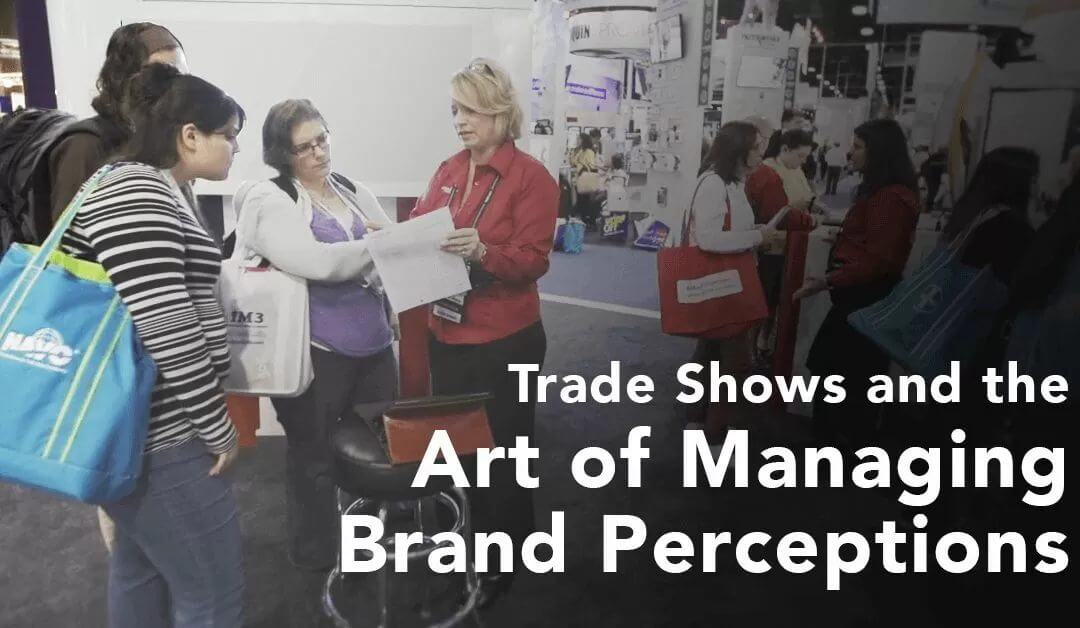
Trade shows offer a unique opportunity to manage brand perception.With perhaps the exception of sales calls, trade shows are the single occasion where customers can have a face-to-face brand experience. When you are planning a trade show marketing program, it’s essential to intentionally plan how you’ll manage brand perception during the event.
Reinforcing Positive Brand Perception
Reinforcing positive brand attributes is easy. Customers visit the exhibit, see familiar faces, learn more about the products that have made them happy and/or successful, and get introduced to new solutions coming from the brand that has served them well.
Addressing Negative Brand Perceptions Head-On
Managing negative brand perception is where the real work begins. Your trade show exhibit should prepare for this challenge with honesty and strategy. Let’s break down common contributors to negative perception (and what you can do about them):
1. Bad Customer Service
Even if your trade show team doesn’t control customer service directly, they must be trained to:
- Listen carefully
- Document experiences
- Collect names and contact info for proper follow-up
Perhaps the quality of customer service is out of the immediate control of the people staffing the trade show exhibit, but the ability to listen to customers, to document their experiences as completely as possible, and to commit to relaying their concerns to the proper department is part of the power of trade shows. Take names and contact information so that the appropriate department can follow up. Prevent these situations from happening by preparing your trade show booth staff in advance.
2. Product Disappointment
- Late launches? Performance issues? Product damage?
- Acknowledge it
- Ask thoughtful questions
- Record the concerns
Transparency and empathy help rebuild trust.
3. Negative Employee Interactions
This experience could include everything from an employee criticizing the company at a neighborhood barbecue to a sales person telling an inappropriate joke or making unwelcome sexual advances. Listen to the customer. Depending on the seriousness and depth of the charge, you may have to refer the issue to human resources or senior management. Use good judgment. No doubt this is an uncomfortable situation, but obviously, bad behavior can have an impact on your livelihood.
4. Public Relations Crisis
Media crises seem to be happening with alarming frequency. From off-the-cuff statements by corporate leaders to alcohol or drug-fueled incidents, there is no hiding from either the press or people with phones shooting videos.
If your brand has recently faced bad press, make sure your team knows how to respond:
- Designate a trained spokesperson
- Prepare a consistent, on-brand message
- Don’t let untrained staff improvise
- Consistency is critical when managing brand perception during sensitive moment
Designing for Positive Perception
Work closely with your exhibit designer to create a space that reflects the brand you want people to experience:
- Open layouts
- Catering or hospitality areas
- Comfortable seating
- Integrated brand storytelling
These choices influence how visitors feel, and how they talk about your brand afterwards.
Ready to Manage Brand Perception More Effectively?
Trade shows can shape your brand in powerful ways. Whether you’re reinforcing strengths or addressing past issues, your exhibit is a key moment to manage brand perception with intention and impact.
Contact Access TCA to learn how we help brands design meaningful experiences that shape lasting brand perception.
