
Several months ago, I joined a roundtable call with a group of pharma marketers. As an opening question, the moderator asked what type of engagement everyone was providing in their exhibits. One person answered, “We’re providing an exceptional experience for our exhibit visitors.” “How do you know?” I asked. Total silence followed. Maybe—or maybe not—the statement was true; it was unsubstantiated and probably unsupported by data. It was an assumption.
More recently, I went to a networking event, and as one of the speakers took the stage, they loaded their PowerPoint with five bullets from a 4-year-old case study. The PowerPoint was black and white, specifically white font on a black background—a personal pet peeve probably dating to my years in publishing when I learned this particular combo is hard to read. The earlier speakers at this event spoke directly to the group, using positive body language and eye contact as they shared their experiences, projects, etc. Black and white PowerPoint? Nope, I said, and I walked outside for fresh air and sunshine.
Later that day, I met my son and granddaughter for dinner. I told them about the PowerPoint. My college-aged granddaughter groaned. My tech-savvy son said, “I always do PowerPoint for my presentations. What should she have done?” I answered, “This was a group of marketers who, like me, had probably reached their PowerPoint presentation limit years ago. The speaker should have thought about the audience and how they would prefer to receive the (rather dated) information. When you assume that a PowerPoint presentation is the same thing as a presentation, you are assuming incorrectly.”
If you follow David Adler’s Substack Gathering Point News, you have read his comments:
- Nearly eight in ten organizers still believe they’re delivering peak moments. Fewer than half of attendees agree.
- Organizers point to the gala, the keynote, the surprise act. Attendees talk about something else entirely: a vendor relationship that mattered, a session that changed their thinking, an authentic connection with someone new.
Whether the entire event (organizers) or an experience within an exhibit (exhibitors), attendees, writes Adler, want:
- Networking that aligns with their interests and objectives.
- Expert speakers rather than celebrities.
- Product launches with hands-on experiences and demonstrations.
And remember: This feedback comes from people who attended the event or visited the exhibit. Feedback from those who chose not to attend the event or visit the exhibit hall would be the true litmus test for what attendees want. As Gary Vaynerchuk said at the recent NY Advertising Week: “I would argue that a shocking amount of money continues to be wasted on things that no one…believes in.”
As I write this, the marketing world is falling (back) in love with analog. As artificial intelligence and the creator economy accelerate the digitization of daily life, consumers are increasingly hungry for analog experiences in the real world, so said the folks at Advertising Week. They believe, as I think I do, that experiential marketing bolsters the analog side of things. Yes, hands-on is great—and digital is cool. So why this insistence on a dichotomy? Are we making unfounded assumptions?
Mothers are currently going to great lengths to find analog phones (buttons? dials? I don’t know—party line?) so their school-age kids can learn to use them. Why? Probably because we assume analog is better than digital—but seriously, are we assuming that going analog will separate kids from their mobile phones? I doubt it, but that’s just my assumption. New companies are forming to create analog experiences at events, and attendees enjoy them. But these experiences need to be strategic and may need to be blended with other engagement methods. And measured.
We won’t stop scientific and engineering discovery, especially when communication is at issue. AI isn’t going away just because some schools are banning it. I once worked for a company in the mid-90s that wouldn’t allow designers access to the internet because the powers that be assumed they’d play games all day.
Event or exhibit activations require an investment to support the business case. Fun helps, but it’s not enough. Designing an activity without a measurement component is naïve. Spending marketing dollars on analog, digital, or whatever bucket AI falls into still demands a positive ROI if marketers want to keep their jobs. Does the engagement strengthen messages about the company’s products or its core competency? If attendees walk away thinking they had fun, we’re happy—but how does that advance the goals and objectives of experiential marketing?
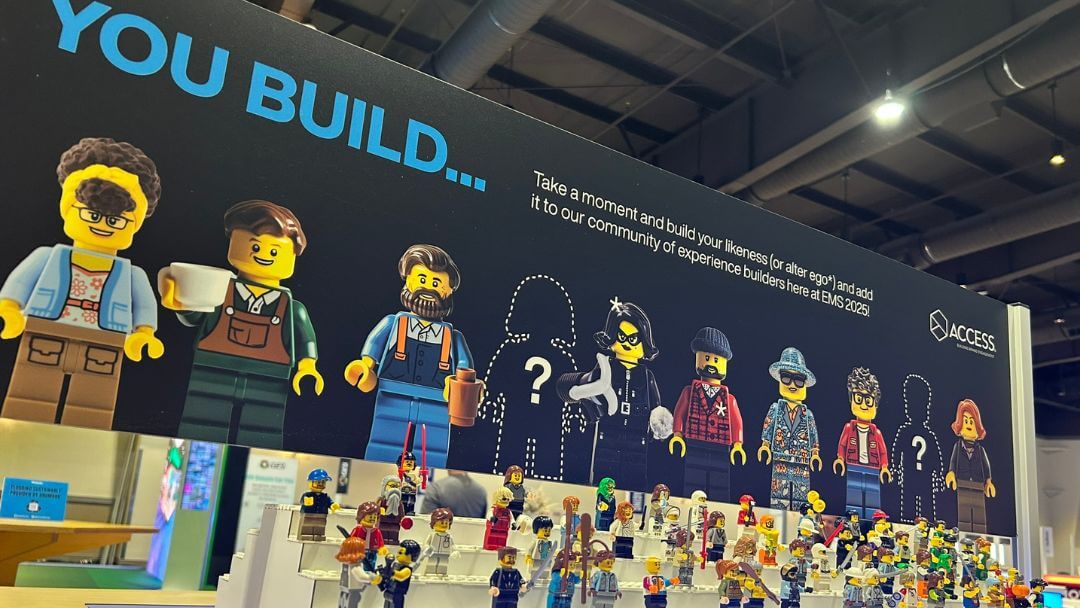
One of my favorite examples is what Access did at the Event Marketer Summit two years ago. Telling attendees that the company “builds,” even though the target market—agencies—does not, sends a strong message and encourages them to explore partnership opportunities. To drive the point home, attendees could build LEGO builders and craftspeople. There were also touch screens and staff interaction. It was highly successful—and widely copied. Access’ corporate mission was so closely tied to the activity that our core capability was always clear, and the booth staff could explore partnerships. Can we assume the folks in this video are learning something about the company—and having fun?